
What Happens If You Keep Ignoring Body Pain?
Let's be honest, how many times have you felt a nagging ache in your back, neck, or shoulder and
simply waved it off? "It will go on its own," you tell yourself, and then you go back to your errands,
your desk, your market stall, or your commercial bus ride. Sound familiar? You are not alone.
Millions of people live with everyday body pain and treat it as something to endure rather than
something to address. But here's the truth: pain is your body's way of sending you a message, and
ignoring that message for too long can cost you all you have been working for.
Why Does Your Body Hurt in the First Place?
Body pain doesn't just appear from nowhere. Most of the aches people feel daily can be traced back
to everyday activities that put strain on muscles and joints. Common culprits include:
● Stress, which tightens muscles and often shows up as neck and shoulder pain.
● Long hours of standing, sitting, or bending; let's think tailors, traders, drivers, and office
workers hunched over laptops.
● Heavy lifting, whether it's market goods, luggage, or your toddler who insists on being
carried everywhere.
● Poor posture, especially from long phone or laptop use.
● Physical exertion without proper warm-up, which can strain muscles and joints.
● Minor sprains and knocks from daily hustle and bustle.
On their own, these causes seem harmless. But when the resulting pain is left unmanaged, it can
lead to complications that may take longer to recover from.
The Real Risk of Ignoring Persistent Pain
Many people treat pain as normal. They say it’s a badge for hard work, something to push through
rather than paying attention to it. But persistent, untreated pain can quietly compound into bigger
problems:
• It can affect your quality of life, making the simplest activities feel exhausting, reducing your
productivity at work or business, and limiting your overall enjoyment of life.
• It can limit your movement, making everyday tasks like climbing stairs or lifting an object
more difficult.
• It can affect your sleep, since discomfort makes it difficult to rest properly at night.
It can worsen over time, turning what started as a mild ache into a chronic pain that is more
difficult to treat.
• It can affect your mood, leaving you irritable, anxious, or constantly restless.
The bottom line is, the pain you ignore today doesn't just disappear, it often waits to resurface,
usually at a more inconvenient time and with greater severity.
Practical Ways to Manage Muscle and Joint Pain
The good news is that you don't have to let body pain control your life. Small, consistent habits can
make a real difference:
• Stretch regularly, especially if your job keeps you in one position for periods.
• Take short breaks to move around if you sit or stand for extended periods.
• Stay hydrated. Drinking enough water makes your muscles functioning properly.
Dehydration can contribute to muscle stiffness and cramps.
• Maintain good posture when working, especially with phones, laptops and other gadgets.
• Apply topical relief to sore areas as soon as discomfort sets in, rather than waiting for it to
worsen.
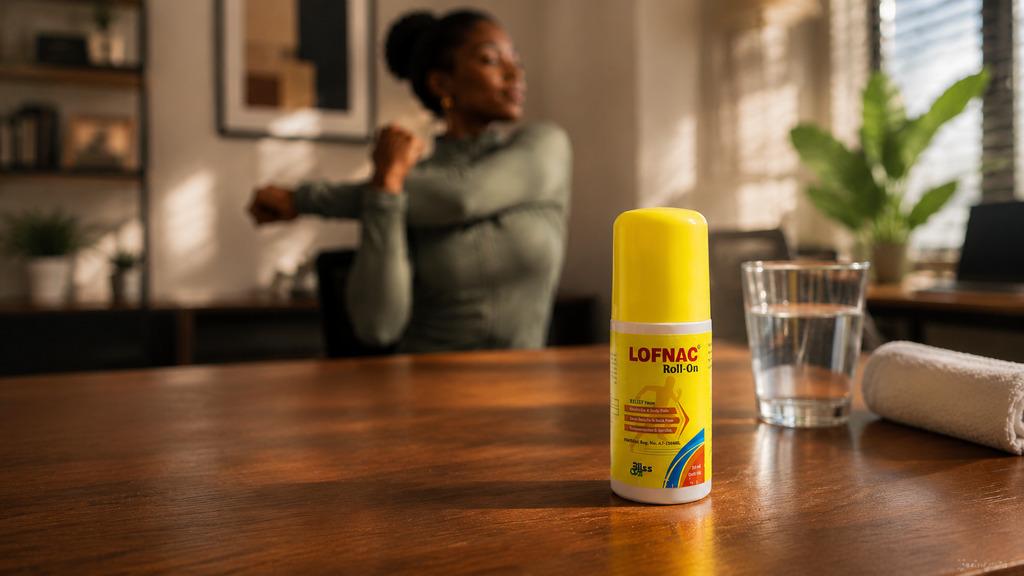
This is where a roll-on comes in handy. Something like the Lofnac Roll-On, easy to keep in your
bag or on your desk, so when that familiar stiffness creeps into your neck after hours at your desk,
or your shoulders start protesting from carrying market bags, you can deal with it on the spot, no
need to wait until you get home, or until it returns into something worse. It is a simple addition to
your daily routine whenever pain shows up.
Building a Healthier Relationship with Pain
It's worth remembering that managing pain isn't about being "soft" or overreacting. It's about
respecting your body enough to respond immediately when it speaks to you. Nigerians are known
for resilience and hard work, but resilience shouldn't mean silently suffering through preventable
discomfort. Taking a few minutes to stretch, rest, or apply relief is not a sign of weakness, it's a sign
of wisdom.
When to See a Doctor
While everyday aches can often be managed at home, persistent or worsening pain deserves proper
medical attention. If your pain lasts longer than a few weeks, becomes severe, is accompanied by
swelling, numbness, or fever, or interferes significantly with your daily activities, it's important to
consult a healthcare professional. Self-care measures, including topical products like Lofnac
Roll-On, work best as part of a broader approach to your wellbeing not as a replacement for
medical advice when pain persists or worsens.
Your body works hard for you every single day. The least you can do is listen when it asks you for a
little care. Don't wait until the ache becomes a bigger problem. Pay attention, take practical steps,
and give your muscles and joints the relief they deserve.
Let's be honest, how many times have you felt a nagging ache in your back, neck, or shoulder and
simply waved it off? "It will go on its own," you tell yourself, and then you go back to your errands,
your desk, your market stall, or your commercial bus ride. Sound familiar? You are not alone.
Millions of people live with everyday body pain and treat it as something to endure rather than
something to address. But here's the truth: pain is your body's way of sending you a message, and
ignoring that message for too long can cost you all you have been working for.
Why Does Your Body Hurt in the First Place?
Body pain doesn't just appear from nowhere. Most of the aches people feel daily can be traced back
to everyday activities that put strain on muscles and joints. Common culprits include:
● Stress, which tightens muscles and often shows up as neck and shoulder pain.
● Long hours of standing, sitting, or bending; let's think tailors, traders, drivers, and office
workers hunched over laptops.
● Heavy lifting, whether it's market goods, luggage, or your toddler who insists on being
carried everywhere.
● Poor posture, especially from long phone or laptop use.
● Physical exertion without proper warm-up, which can strain muscles and joints.
● Minor sprains and knocks from daily hustle and bustle.
On their own, these causes seem harmless. But when the resulting pain is left unmanaged, it can
lead to complications that may take longer to recover from.
The Real Risk of Ignoring Persistent Pain
Many people treat pain as normal. They say it’s a badge for hard work, something to push through
rather than paying attention to it. But persistent, untreated pain can quietly compound into bigger
problems:
• It can affect your quality of life, making the simplest activities feel exhausting, reducing your
productivity at work or business, and limiting your overall enjoyment of life.
• It can limit your movement, making everyday tasks like climbing stairs or lifting an object
more difficult.
• It can affect your sleep, since discomfort makes it difficult to rest properly at night.
It can worsen over time, turning what started as a mild ache into a chronic pain that is more
difficult to treat.
• It can affect your mood, leaving you irritable, anxious, or constantly restless.
The bottom line is, the pain you ignore today doesn't just disappear, it often waits to resurface,
usually at a more inconvenient time and with greater severity.
Practical Ways to Manage Muscle and Joint Pain
The good news is that you don't have to let body pain control your life. Small, consistent habits can
make a real difference:
• Stretch regularly, especially if your job keeps you in one position for periods.
• Take short breaks to move around if you sit or stand for extended periods.
• Stay hydrated. Drinking enough water makes your muscles functioning properly.
Dehydration can contribute to muscle stiffness and cramps.
• Maintain good posture when working, especially with phones, laptops and other gadgets.
• Apply topical relief to sore areas as soon as discomfort sets in, rather than waiting for it to
worsen.
This is where a roll-on comes in handy. Something like the Lofnac Roll-On, easy to keep in your
bag or on your desk, so when that familiar stiffness creeps into your neck after hours at your desk,
or your shoulders start protesting from carrying market bags, you can deal with it on the spot, no
need to wait until you get home, or until it returns into something worse. It is a simple addition to
your daily routine whenever pain shows up.
Building a Healthier Relationship with Pain
It's worth remembering that managing pain isn't about being "soft" or overreacting. It's about
respecting your body enough to respond immediately when it speaks to you. Nigerians are known
for resilience and hard work, but resilience shouldn't mean silently suffering through preventable
discomfort. Taking a few minutes to stretch, rest, or apply relief is not a sign of weakness, it's a sign
of wisdom.
When to See a Doctor
While everyday aches can often be managed at home, persistent or worsening pain deserves proper
medical attention. If your pain lasts longer than a few weeks, becomes severe, is accompanied by
swelling, numbness, or fever, or interferes significantly with your daily activities, it's important to
consult a healthcare professional. Self-care measures, including topical products like Lofnac
Roll-On, work best as part of a broader approach to your wellbeing not as a replacement for
medical advice when pain persists or worsens.
Your body works hard for you every single day. The least you can do is listen when it asks you for a
little care. Don't wait until the ache becomes a bigger problem. Pay attention, take practical steps,
and give your muscles and joints the relief they deserve.
What Happens If You Keep Ignoring Body Pain?
Let's be honest, how many times have you felt a nagging ache in your back, neck, or shoulder and
simply waved it off? "It will go on its own," you tell yourself, and then you go back to your errands,
your desk, your market stall, or your commercial bus ride. Sound familiar? You are not alone.
Millions of people live with everyday body pain and treat it as something to endure rather than
something to address. But here's the truth: pain is your body's way of sending you a message, and
ignoring that message for too long can cost you all you have been working for.
Why Does Your Body Hurt in the First Place?
Body pain doesn't just appear from nowhere. Most of the aches people feel daily can be traced back
to everyday activities that put strain on muscles and joints. Common culprits include:
● Stress, which tightens muscles and often shows up as neck and shoulder pain.
● Long hours of standing, sitting, or bending; let's think tailors, traders, drivers, and office
workers hunched over laptops.
● Heavy lifting, whether it's market goods, luggage, or your toddler who insists on being
carried everywhere.
● Poor posture, especially from long phone or laptop use.
● Physical exertion without proper warm-up, which can strain muscles and joints.
● Minor sprains and knocks from daily hustle and bustle.
On their own, these causes seem harmless. But when the resulting pain is left unmanaged, it can
lead to complications that may take longer to recover from.
The Real Risk of Ignoring Persistent Pain
Many people treat pain as normal. They say it’s a badge for hard work, something to push through
rather than paying attention to it. But persistent, untreated pain can quietly compound into bigger
problems:
• It can affect your quality of life, making the simplest activities feel exhausting, reducing your
productivity at work or business, and limiting your overall enjoyment of life.
• It can limit your movement, making everyday tasks like climbing stairs or lifting an object
more difficult.
• It can affect your sleep, since discomfort makes it difficult to rest properly at night.
It can worsen over time, turning what started as a mild ache into a chronic pain that is more
difficult to treat.
• It can affect your mood, leaving you irritable, anxious, or constantly restless.
The bottom line is, the pain you ignore today doesn't just disappear, it often waits to resurface,
usually at a more inconvenient time and with greater severity.
Practical Ways to Manage Muscle and Joint Pain
The good news is that you don't have to let body pain control your life. Small, consistent habits can
make a real difference:
• Stretch regularly, especially if your job keeps you in one position for periods.
• Take short breaks to move around if you sit or stand for extended periods.
• Stay hydrated. Drinking enough water makes your muscles functioning properly.
Dehydration can contribute to muscle stiffness and cramps.
• Maintain good posture when working, especially with phones, laptops and other gadgets.
• Apply topical relief to sore areas as soon as discomfort sets in, rather than waiting for it to
worsen.
This is where a roll-on comes in handy. Something like the Lofnac Roll-On, easy to keep in your
bag or on your desk, so when that familiar stiffness creeps into your neck after hours at your desk,
or your shoulders start protesting from carrying market bags, you can deal with it on the spot, no
need to wait until you get home, or until it returns into something worse. It is a simple addition to
your daily routine whenever pain shows up.
Building a Healthier Relationship with Pain
It's worth remembering that managing pain isn't about being "soft" or overreacting. It's about
respecting your body enough to respond immediately when it speaks to you. Nigerians are known
for resilience and hard work, but resilience shouldn't mean silently suffering through preventable
discomfort. Taking a few minutes to stretch, rest, or apply relief is not a sign of weakness, it's a sign
of wisdom.
When to See a Doctor
While everyday aches can often be managed at home, persistent or worsening pain deserves proper
medical attention. If your pain lasts longer than a few weeks, becomes severe, is accompanied by
swelling, numbness, or fever, or interferes significantly with your daily activities, it's important to
consult a healthcare professional. Self-care measures, including topical products like Lofnac
Roll-On, work best as part of a broader approach to your wellbeing not as a replacement for
medical advice when pain persists or worsens.
Your body works hard for you every single day. The least you can do is listen when it asks you for a
little care. Don't wait until the ache becomes a bigger problem. Pay attention, take practical steps,
and give your muscles and joints the relief they deserve.

 English
 Arabic
 French
 Spanish
 Portuguese
 Turkish
 Dutch
Dutch
 Italiano
 Russian
 Romaian
 Portuguese (Brazil)
 Greek
Greek